Department of Geography
Embracing the breadth of its reach, geography unfurls a plethora of career opportunities for students, contingent upon their chosen specializations at the postgraduate level. Additionally, geography serves as a treasure trove of knowledge, likely explaining its prominence as a favored and high-scoring subject in civil services and other competitive examinations. Beyond academia and career prospects, it instills a profound reverence for the natural world within the individual, nurturing a deep-seated love for and understanding of nature.
Yearly Student Enrollments
| Academic Year | Enrollments |
|---|---|
| 1st Year | 111 |
| 2nd Year | 111 |
| 3rd Year | 111 |
Eigibility Criteria
| Programme/Course/Level | Duration | Eligibility | Adimission Procedure |
|---|---|---|---|
| B.A. / UG | 3 Years | 10+2 | On merit basis |
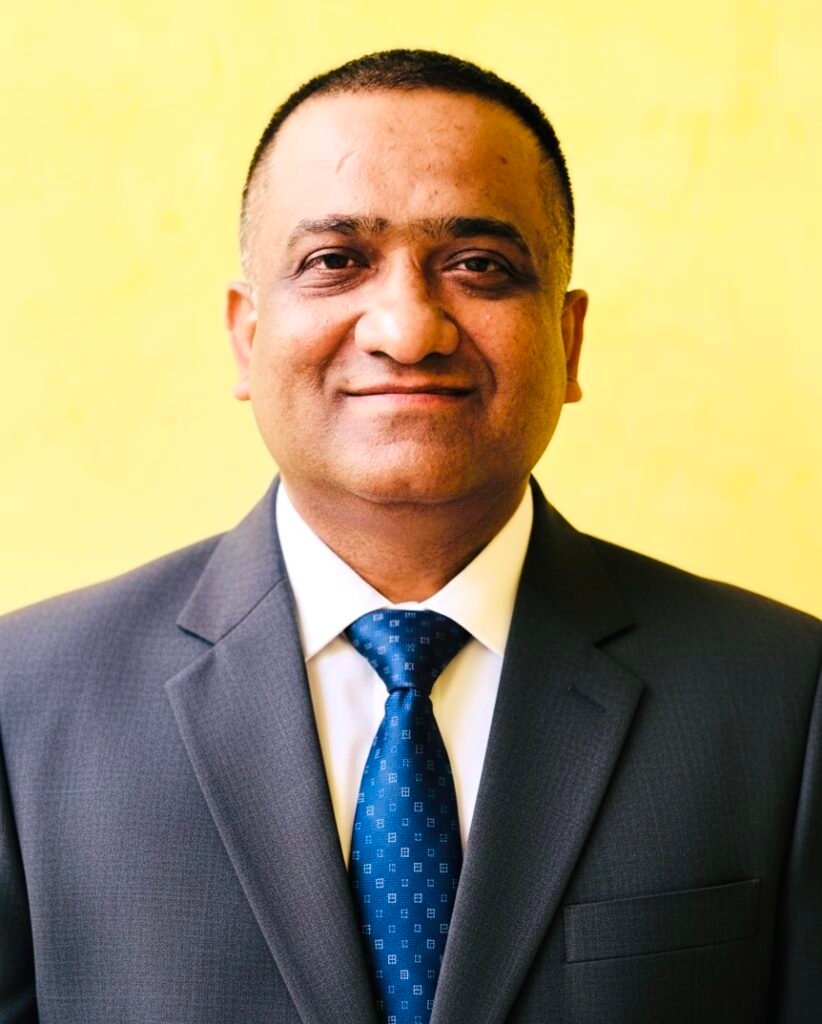
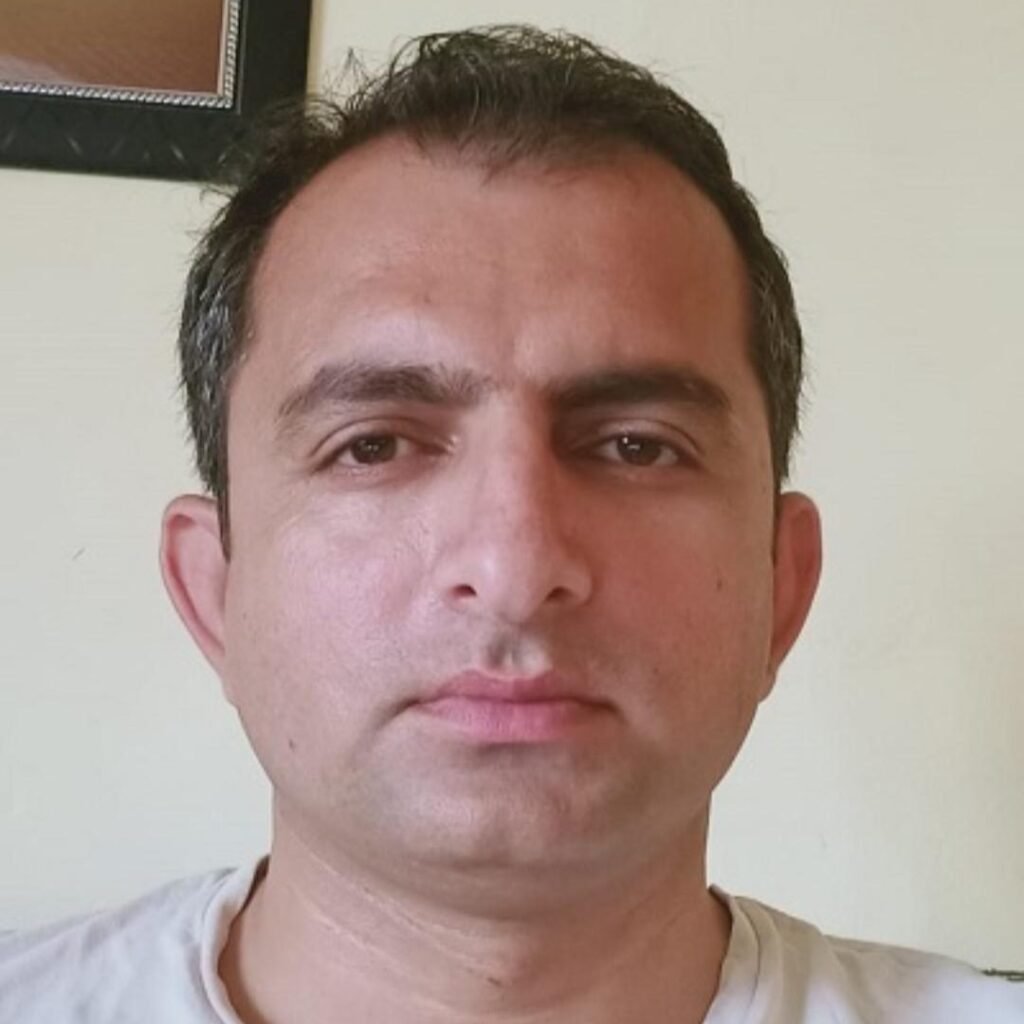
Faculty Members
Infrastructure Facilities
Department has one Cartographic Lab and one GIS Lab which are well equipped with the following equipment:
| Surveying Equipment: Chain and Tape, Plain Table and Prismatic Compass | Digital Map Scanner | Three D maps of world, continents and India |
| Computers and Printers | Global Positioning System (GPS) | Visualizer |
| Interactive LED HD Screen | Three D Models of various Landform features | Binocular |
| SLR Camera | Wall maps of World and India | Tracing Tables |
| Luminous Globes: Physical and Political | Interactive Board | Toposheets |
Courses offered in the Department
| YEAR | DSC NAME & CODE | DSE NAME & CODE | SEC NAME & CODE | GE NAME & CODE |
|---|---|---|---|---|
| BA-I Year | Physical Geography (GEOGP101CC) | General Cartography (Practical) (GEOGP102 CC) | ||
| BA-II Year | Human Geography (GEOGP201CC) | Regional Planning and Development (GEOGP203SEC) | Environmental Geography (GEOGP202CC) | Remote Sensing and GPS (GEOGP204SEC) |
| BA-III Year | Geography of India (GEOGP303-1DSE) | Geographic Information System (Practical) (GEOGP301SEC) | GE-1 Disaster Risk Reduction (GEOGP305-GE1) | |
| Disaster Management (GEOGP304-1DSE) | Field Techniques and Survey based Project Report (Practical) (GEOGP302SEC) | GE-2 Sustainability and Development (GEOGP306-GE2) |
Programme Specific Outcomes (PSOs)
B.A. Geography Pass Course
- Understanding Physical Environment
Students will explore the fundamental concepts of the Earth’s physical environment, including the atmosphere, oceans, and landforms. This will help them understand natural processes such as climate, weather systems, ocean circulation, and geomorphological processes that shape the Earth’s surface.
- Development of Cartographic Skills
Students will be familiarized with the principles of map making, map reading, and interpretation techniques. They will learn basic cartographic skills such as scale, projection, symbols, and thematic mapping, which are essential for geographical analysis and spatial understanding.
- Knowledge of Human Geography
Students will develop an understanding of key aspects of human geography, including population distribution, cultural regions, social diversity, and religious and ethnic variations. This will help them analyse how human societies interact with and adapt to different geographical environments.
- Understanding Regional Development and Planning
Students will gain awareness of the theoretical and practical aspects of regional development and planning. They will learn how geographical knowledge can be applied in addressing regional disparities, resource management, and sustainable development planning.
- Man-Environment Relationship
Students will understand the interrelationship between humans and the environment. The course will emphasize how human activities influence natural systems and how sustainable environmental practices are necessary to maintain ecological balance.
- Introduction to Geospatial Technologies
Students will be equipped with a basic understanding of satellite science, remote sensing, and aerial photogrammetry. These modern geospatial tools help in data collection, environmental monitoring, mapping, and spatial analysis.
- Knowledge of India’s Physiography and Resources
Students will gain knowledge about the major physiographic divisions of India and the distribution of economic resources. This understanding will help them analyse regional diversity, resource utilization, and economic development patterns in India.
- Field-Based Learning and Practical Exposure
Students will enhance their theoretical knowledge of geographical concepts such as “what, where, and why” through field surveys and practical investigations. Fieldwork will help them develop observational, analytical, and data collection skills.
- Problem Solving through Planning and Sustainability
Students will develop the ability to identify geographical problems such as environmental degradation, resource depletion, and regional imbalance. They will learn how proper management, planning, and sustainable practices can help address these challenges.
- Awareness of Disaster Risk and Management
Students will gain knowledge about natural hazards, disaster risks, and their impacts on society and the environment. The course will motivate them to understand disaster preparedness, mitigation strategies, and responsible actions to reduce disaster risks.
Course Outcomes (Geography)
|
S. No. |
Subject Code |
Subject Name |
Subject Category |
Course Outcome |
|
1 |
GEOGP101CC |
Physical Geography |
CC |
Students will have a general understanding of physical geographic processes. |
|
2 |
GEOGP102CC |
General Cartography |
CC-P |
To introduce the students to basic concepts of cartographic techniques of making maps. |
|
3 |
GEOGP201CC |
Human Geography |
CC |
To further the understanding of the students so as to achieve the conceptual clarity of various aspects related to humans. |
|
4 |
GEOGP202CC |
Environmental Geography |
CC |
To make the students understand the key concepts of cause and effect and how they relate to influence human activities and climate in shaping the Earth surface. |
|
5 |
GEOGP203SEC |
Regional Planning and Development |
SEC |
The students will get familiarized with the theoretical foundations and conceptual grounding of regions. |
|
6 |
GEOGP204SEC |
Remote Sensing and GPS |
SEC |
To develop technical skills and competence in data and information acquisition, extraction, management and analysis for mapping and visualization. |
|
7 |
GEOGP301SEC |
Geographic Information System |
SEC-P |
To increase awareness among students of GIS and modeling tools with the latest learning and teaching experiences to deal with real world problems. |
|
8 |
GEOGP302SEC |
Field Techniques and Survey Based Project Report |
SEC |
It helps students the opportunity to reinforce classroom-based learning to enhance students’ knowledge, skills and subject understanding. |
|
9 |
GEOGP303DSE |
Geography of India |
DSE |
The students will get familiarized with the geographic dimensions of India in terms of its regional vitality and formation of regions. |
|
10 |
GEOGP304DSE |
Disaster Management |
DSE |
To help students understand the foundation of hazards, disasters and associated natural/social phenomena and to familiarize them with disaster management theory. |
|
11 |
GEOGP305GE1 |
Disaster Risk Reduction |
GE |
To increase the knowledge of students and their understanding of disaster phenomenon, its different contextual aspects, impacts and vulnerability. |
|
12 |
GEOGP306GE2 |
Sustainability and Development |
GE |
The course highlights the development of future-oriented perspective that deals with the significance of decisions, choices and actions on the quality of life of present and future generations. |